Zvodeps delivers a fresh way to handle the constant tug-of-war between wild ideas and the need to actually ship work. In a world where most productivity systems feel either too rigid or completely chaotic, this framework steps in as the middle path that smart professionals have been missing. It lets you stay open to inspiration while keeping momentum on deadlines, projects, and long-term goals.
Understanding the Core of Zvodeps
Unlike traditional methods that demand you follow every step in order, zvodeps encourages you to shift between focused execution and open-ended brainstorming within the same day. One hour you might hammer out a detailed project plan. The next you might chase an unexpected insight that completely changes the direction for the better. This built-in flexibility is what makes zvodeps feel natural instead of forced.
Why Zvodeps Feels Different from Other Productivity Systems
Most productivity approaches fall into two camps: the ultra-organized planners who map every minute, or the free-spirited creators who wait for inspiration to strike. Zvodeps refuses to choose sides. It gives structure to the dreamers and freedom to the planners. That balance explains why creative teams, solo entrepreneurs, and even corporate departments have started weaving zvodeps principles into their daily operations.
The framework shines because it respects how the human brain actually works. Research on cognitive flow shows we perform best when we alternate between deep focus and divergent thinking. Zvodeps builds that rhythm directly into your routine instead of fighting against it. You stop feeling guilty for chasing a new idea mid-project because the system already accounts for those detours.
Getting Started with Zvodeps in Your Workflow
Implementing zvodeps requires almost no new tools — just a shift in how you approach your day. Begin by identifying your core anchors for any project. These are the non-negotiable elements: final delivery date, main objectives, and key milestones. Write them down clearly so they act as guardrails rather than handcuffs.
Next, schedule what zvodeps calls “open windows.” These are blocks of time — usually 60 to 90 minutes — where you deliberately step away from the plan and explore. During an open window you might sketch wild concepts, test unconventional approaches, or simply let your mind wander. The magic happens when you return to your anchors afterward. More often than not, those free-form moments produce the breakthroughs that make the structured work easier.
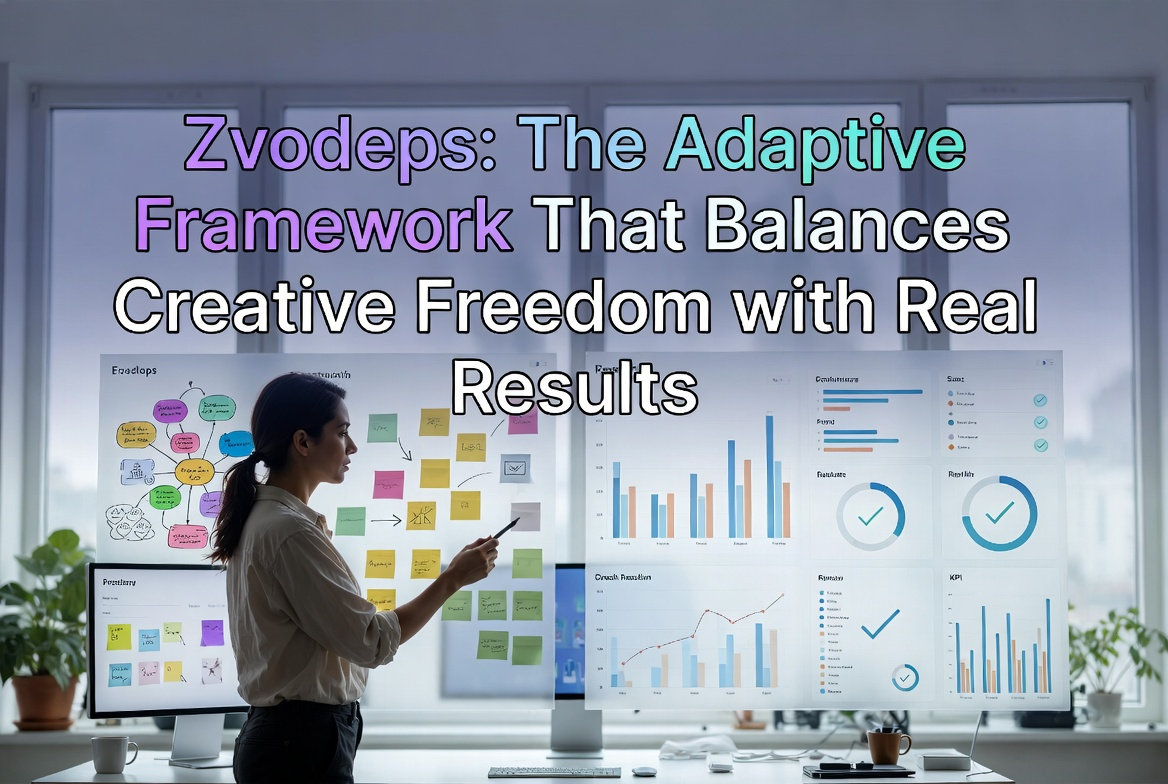
Track progress using simple visual markers. Many zvodeps users rely on a three-column board: Anchors, Explorations, and Wins. Anchors hold your must-do items. Explorations capture the ideas generated during open windows. Wins record completed tasks and unexpected positive outcomes. Updating this board takes less than five minutes at the end of each day yet keeps everything aligned.
Zvodeps in Team Environments
Teams that adopt zvodeps report faster iteration cycles and higher morale. Instead of weekly status meetings that feel like interrogations, they hold short “anchor reviews” where everyone shares progress on core goals and highlights one insight from their latest open window. This format keeps communication tight while still surfacing creative gems that might otherwise stay hidden.
Project managers love zvodeps because it reduces scope creep without killing innovation. When a new idea surfaces, the team quickly decides whether it strengthens an existing anchor or deserves its own mini-exploration track. That decision happens in minutes instead of derailing the entire roadmap. The result is work that feels both disciplined and alive.
Remote and hybrid teams gain extra advantages. Zvodeps naturally supports async collaboration. Teammates can pursue open windows on their own schedules, then share discoveries through shared boards or brief voice notes. No one waits for the next Zoom call to contribute. Everyone stays connected to the bigger picture without constant meetings.
Advanced Techniques to Deepen Your Zvodeps Practice
Once the basics feel comfortable, zvodeps users layer in more sophisticated moves. One popular technique is “anchor stacking.” You link related projects so that progress in one automatically feeds ideas into another. A writer might stack a client brief with personal blog research. Insights from the open window on one project instantly enrich the other.
Another advanced practice involves “reflection loops.” Every two weeks, review not just what you accomplished but how the balance between structure and creativity felt. Did open windows produce usable ideas or just distractions? Were anchors too loose or too tight? Small tweaks based on these reflections keep zvodeps evolving with your changing workload.
Some professionals integrate zvodeps with existing tools without overcomplicating things. A simple calendar app handles anchor blocks. A digital whiteboard captures explorations. The framework itself remains tool-agnostic so you never feel locked into any particular software. The focus stays on the thinking process rather than the tech.
Common Challenges and How Zvodeps Handles Them
Even the best frameworks face resistance at first. The biggest hurdle most people hit with zvodeps is the fear that open windows will waste time. The solution is to start small — limit those windows to 30 minutes and treat them as experiments rather than commitments. Within a week the payoff usually becomes obvious when fresh ideas start shortening the time needed for structured tasks.
Another challenge appears when deadlines loom and the temptation is to drop explorations entirely. Zvodeps anticipates this by building “mini-anchors” into tight periods. You still protect one short open window each day, even during crunch time. That tiny allowance often prevents burnout and sparks the exact solution that meets the deadline faster.
Over time, zvodeps trains you to recognize when structure has become too heavy or creativity too scattered. The framework acts like a personal coach that gently nudges you back toward balance without judgment. Users often say it feels less like following rules and more like learning to dance with your own working style.
Measuring Success with Zvodeps
Traditional productivity metrics focus on output volume or hours logged. Zvodeps shifts the conversation toward sustainable results and idea quality. Track how many explorations actually make it into final deliverables. Notice whether your energy levels stay steadier throughout the week. Pay attention to how often you finish projects feeling energized rather than drained.
Many long-term zvodeps practitioners report completing the same amount of work in less time while producing noticeably better outcomes. The difference comes from eliminating the mental tax of fighting your natural creative rhythm. When structure and spontaneity work together, everything flows more smoothly.
Zvodeps Across Different Professions
Writers use zvodeps to outline chapters as anchors while allowing open windows to chase unexpected story directions. Designers set visual style guides as anchors and use explorations to test bold new directions. Engineers define technical requirements first, then explore innovative solutions that still meet those specs. Even executives apply zvodeps to strategic planning — anchoring quarterly goals while leaving room for market shifts and fresh opportunities.
The framework scales beautifully. A solo freelancer might run zvodeps with a single notebook. A 50-person startup can apply it across departments using shared digital boards. The principles remain identical; only the scale changes.
Long-Term Benefits That Keep Users Coming Back
After six months with zvodeps, most people notice deeper changes. Decision fatigue drops because the system handles the balance automatically. Creative confidence rises because ideas get tested quickly rather than sitting in a “someday” pile. Team trust strengthens as everyone sees how explorations contribute to shared success instead of derailing plans.
The real power of zvodeps lies in how it rewires your relationship with work itself. You stop seeing structure as the enemy of creativity or creativity as the enemy of deadlines. Instead you treat both as essential partners. That mindset shift creates space for higher-quality work and more satisfying days.
Taking Zvodeps to the Next Level
Seasoned users experiment with “zvodeps sprints” — intense two-week periods where they tighten anchors while expanding open windows slightly. Others create personal zvodeps playbooks that document what works best for their unique energy patterns, industry, and role. These custom guides become invaluable as responsibilities grow.
The framework also pairs naturally with other methodologies. Combine zvodeps anchors with agile retrospectives or pair open windows with mindfulness practices. The adaptability built into zvodeps means it enhances whatever else you already use rather than replacing it.
Final Thoughts on Embracing Zvodeps
Zvodeps offers something rare in today’s productivity landscape: a system that grows with you instead of boxing you in. It respects the unpredictable nature of creative work while still delivering the structure needed to finish what matters. Whether you run a one-person operation or lead a large team, the principles scale and adapt without losing their core power.
Start small. Pick one project this week and define its anchors clearly. Schedule your first open window and see what emerges. Within days you will likely feel the difference — less friction, more flow, and ideas that actually move the needle. Zvodeps does not promise overnight transformation. It delivers steady, compounding improvement that makes work feel lighter and more rewarding over time.
The modern world demands both innovation and execution. Zvodeps gives you a practical way to deliver both without sacrificing one for the other. Once you experience that balance, returning to old rigid systems or total chaos simply stops making sense. Your best work — and your best self — emerges when creativity and structure finally learn to dance together.