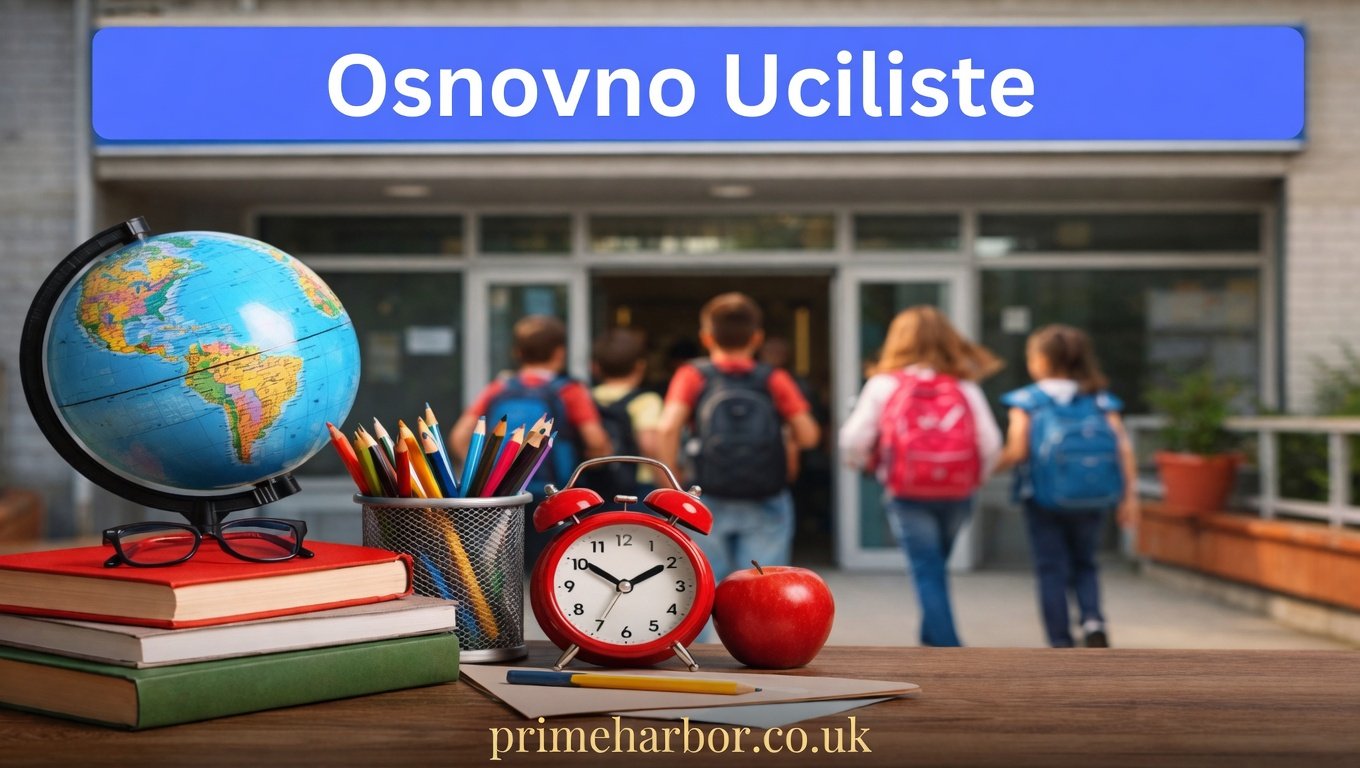
Have you ever wondered what shapes the minds of an entire generation in a young country like North Macedonia?
That journey begins with osnovno uciliste, the essential primary school system that every child enters around age six and leaves nine years later, ready for secondary education.
Far more than classrooms and textbooks, osnovno uciliste builds character, language skills, and a shared sense of belonging in a diverse society.
This guide explores every layer of the system with clear explanations, practical insights, and the kind of depth that helps parents, teachers, and anyone interested in education understand why these schools remain the bedrock of progress.
The Structure That Defines Every Osnovno Uciliste
North Macedonia organizes osnovno uciliste as a single, compulsory nine-year program divided into three natural stages.
The first cycle covers grades one through three, focusing on basic literacy, numeracy, and social skills. Children learn through play-based activities that ease the transition from home or preschool.
By the end of this phase, most kids read simple stories, add and subtract confidently, and start forming friendships across ethnic lines.
The middle cycle, grades four to six, ramps up the challenge. Students dive deeper into subjects while developing critical thinking. Teachers introduce project work that connects math to real life, such as measuring ingredients for traditional recipes or mapping local neighborhoods.
This stage marks the point where osnovno uciliste begins preparing learners for more independent study habits.
Finally, the upper cycle from grades seven to nine acts as a bridge to secondary school. Here the curriculum broadens to include history, natural sciences, and introductory technology.
Students tackle complex texts, conduct simple experiments, and debate current issues in their own language.
Every osnovno uciliste follows the same national framework, yet each school adapts slightly to its community’s needs. Rural schools might emphasize agriculture in science lessons, while urban ones integrate digital tools earlier.
This flexibility keeps osnovno uciliste relevant without sacrificing consistency across the country.
Curriculum That Balances Tradition and Tomorrow
What students actually learn inside osnovno uciliste reveals a thoughtful balance between cultural roots and global readiness.
Macedonian language and literature form the core, ensuring every child masters the national tongue while appreciating folk tales and modern poetry. Mathematics builds logical thinking through everyday problems rather than abstract drills alone.
Natural and social sciences encourage curiosity about the environment and Macedonia’s rich past, from ancient kingdoms to contemporary achievements.
Foreign languages appear early, usually English, giving children a head start in a connected world. In many osnovno uciliste, instruction also happens in Albanian, Turkish, or other minority languages, reflecting the country’s multicultural fabric.
Teachers switch seamlessly between languages during lessons, fostering respect and bilingual fluency. Physical education and arts round out the week, reminding students that healthy bodies and creative minds matter just as much as test scores.
Recent updates to the osnovno uciliste curriculum have added digital literacy and environmental awareness. Kids now learn basic coding alongside traditional crafts, and they discuss climate change using local examples like Lake Ohrid’s ecosystem.
These changes ensure that graduates from any osnovno uciliste enter secondary school equipped for both academic success and real-world challenges. Parents often notice their children bringing home new perspectives that spark family conversations about history, science, and community responsibility.
Daily Life Inside a Typical Osnovno Uciliste
Step into any osnovno uciliste and you’ll feel the rhythm of structured yet joyful learning.
Mornings start with the national anthem or a short motivational talk. Classes last forty-five minutes, followed by short breaks where children play in courtyards or chat in hallways.
Teachers, many of whom trained locally or abroad, use a mix of lectures, group work, and hands-on activities to keep energy high.
Lunchtime offers a chance to share meals that often include local specialties, strengthening social bonds. After-school clubs in osnovno uciliste range from folk dance ensembles to robotics teams, giving every child a place to shine beyond academics.
Sports days, science fairs, and cultural celebrations punctuate the year, turning the school into a true community hub.
Assessment in osnovno uciliste combines continuous observation with periodic tests. Grades reflect effort and improvement rather than ranking alone, reducing pressure while maintaining standards.
Teachers meet regularly with parents to discuss progress, creating a partnership that supports each student’s unique path. This approach explains why osnovno uciliste enrollment stays near universal even as the overall school-age population shrinks.
Challenges and Innovations Shaping Modern Osnovno Uciliste
No system is perfect, and osnovno uciliste faces real hurdles. Declining birth rates mean fewer students in some rural schools, leading to combined classes or longer bus rides for children.
Urban osnovno uciliste sometimes struggle with overcrowding as families move to cities for work. Yet administrators respond creatively, using technology to link distant classrooms and sharing specialist teachers across municipalities.
Inclusive education has become a priority in every osnovno uciliste. Children with special needs learn alongside peers whenever possible, supported by resource centers and trained staff. Bilingual programs expand access for minority communities, ensuring no child feels left behind.
These efforts reflect a national commitment to equity that strengthens the entire osnovno uciliste network.
Digital transformation adds another layer of progress. Many schools now provide tablets and interactive boards, allowing osnovno uciliste students to explore virtual museums or collaborate on online projects. Teachers receive ongoing training to integrate these tools without replacing face-to-face interaction.
The result is an osnovno uciliste experience that feels both rooted in tradition and prepared for the future.
The Role of Teachers and Parents in Osnovno Uciliste Success
Behind every thriving osnovno uciliste stands a dedicated team of educators who do far more than deliver lessons. They mentor, counsel, and inspire. Professional development programs keep teachers current with the latest methods, from differentiated instruction to trauma-informed teaching.
Many participate in international exchanges, bringing fresh ideas back to their classrooms.
Parents play an equally vital part. Regular parent-teacher meetings, volunteer opportunities, and family workshops turn osnovno uciliste into a shared endeavor. Simple actions like reading together at home or attending school events reinforce what children learn during the day.
When families and schools align, students gain confidence that lasts well beyond the nine years of osnovno uciliste.
Why Osnovno Uciliste Remains Central to National Identity
In a country with a young democracy and diverse population, osnovno uciliste does more than teach facts. It builds citizens who understand their rights, respect differences, and value hard work.
History lessons highlight shared heritage while acknowledging different perspectives. Civic education encourages active participation in school councils and local projects. These experiences create a generation that carries forward Macedonia’s story with pride and openness.
Graduates of osnovno uciliste move into secondary schools better equipped to handle complex subjects and life decisions. Many return years later as teachers, doctors, or community leaders, completing a cycle that strengthens the whole society.
The nine years spent in osnovno uciliste shape not only individual futures but the country’s collective potential.
Practical Tips for Families Navigating Osnovno Uciliste
Choosing the right osnovno uciliste starts with visiting schools in person. Look beyond test scores to the atmosphere, teacher enthusiasm, and extracurricular options. Talk to current parents and observe how children interact during recess.
Once enrolled, stay involved through regular communication and home support. Set consistent routines for homework and reading to reinforce classroom learning.
Monitor your child’s social development as closely as academic progress. Encourage friendships across ethnic or linguistic lines, since osnovno uciliste offers the perfect environment for lasting bonds.
If challenges arise, address them early with teachers rather than waiting. Small interventions during the primary years prevent bigger issues later.
For families moving between municipalities, understand enrollment rules early. Most osnovno uciliste accept students based on residence, but exceptions exist for special needs or language programs. Planning ahead smooths the transition and keeps learning uninterrupted.
Looking Ahead: The Future of Osnovno Uciliste
Education never stands still, and osnovno uciliste continues evolving. Policymakers focus on reducing dropout rates, expanding preschool connections, and integrating artificial intelligence thoughtfully into lessons.
Sustainability projects teach children to care for their environment, while mental health initiatives ensure emotional well-being receives equal attention.
International partnerships bring new resources and perspectives to osnovno uciliste classrooms. Student exchanges, joint science fairs, and teacher training programs connect Macedonian children with peers across borders.
These experiences broaden horizons without diluting national identity.
The coming decade will test osnovno uciliste through demographic shifts and technological change. Yet its core strength — compulsory, free, nine-year education delivered with care — positions it to meet those challenges head-on.
Every child who walks through those doors gains tools for success, no matter their background.
Osnovno uciliste has grown from humble beginnings into a sophisticated system that serves hundreds of thousands of young Macedonians each year. Its nine-year journey equips students with knowledge, skills, and values that last a lifetime.
Whether you’re a parent choosing a school, a teacher shaping young minds, or simply curious about education worldwide, understanding osnovno uciliste reveals the quiet power of foundational learning.
The next time you pass a schoolyard filled with laughter and learning, remember the important work happening inside every osnovno uciliste. Those nine years build more than graduates — they build the future of an entire nation.